
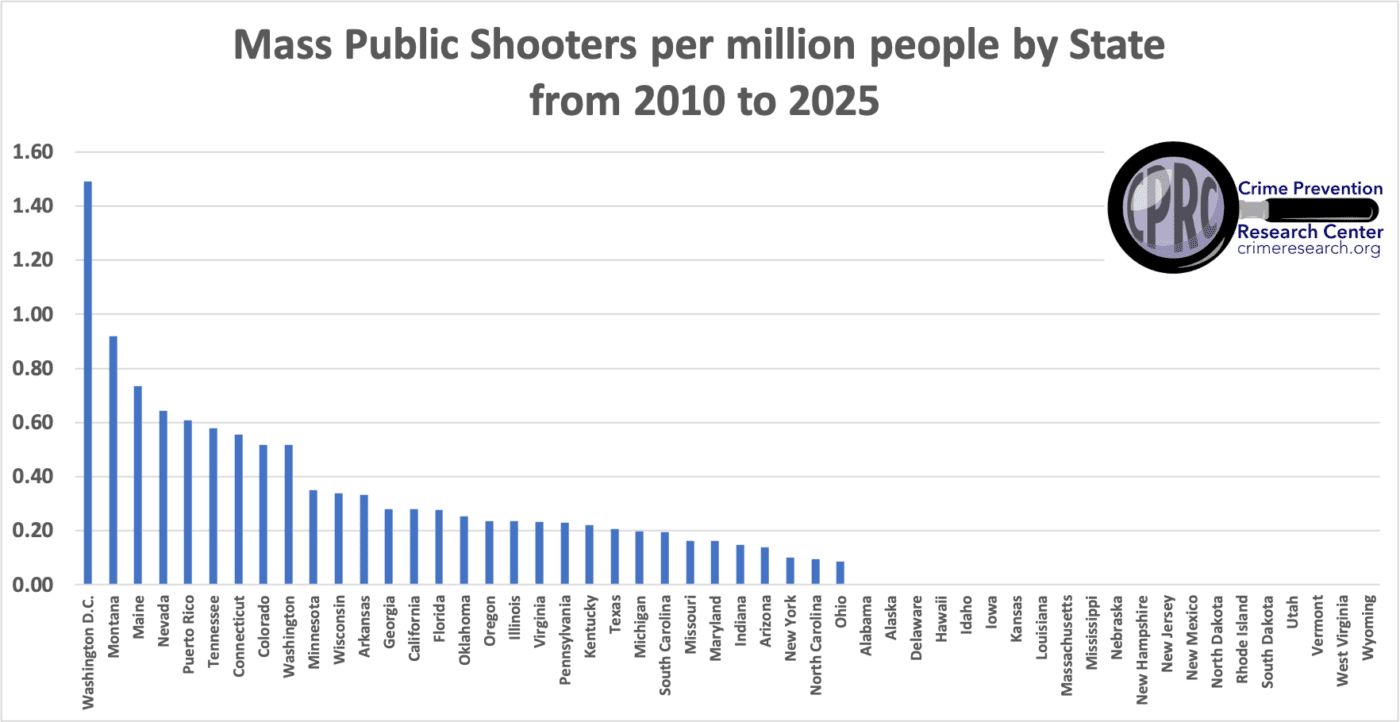
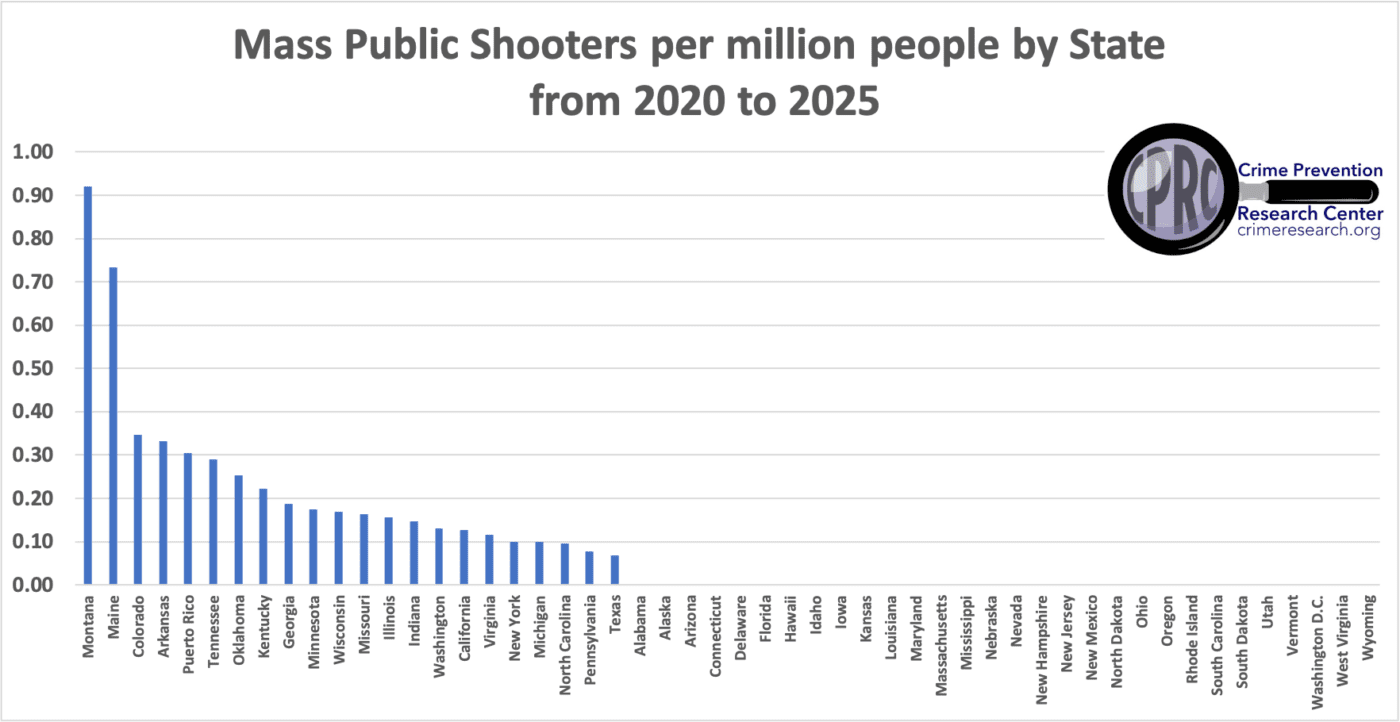
Many graphs using the data are shown at the end of the post.
Each time a public shooting draws national attention, particularly at places such as schools or churches, politicians and the media often respond by citing figures that claim the United States suffers hundreds of mass shootings each year. Although CNN reported that last year recorded the lowest number of mass shootings since 2019, before the pandemic-era escalation in gun violence, 408 mass shootings were nonetheless reported nationwide in 2025.
These statements give an incorrect impression that there are massacres every day, like the infamous 2022 Uvalde shooting, which claimed the lives of nineteen students and two teachers, or the one in Lewiston, which claimed eighteen lives.
The numbers reported by CNN are sourced from the Gun Violence Archive, which broadly defines mass shootings to include any case with four or more people shot or injured. The injuries could occur in the course of running away, and not from actually being shot. It is also useful to note that the GVA is a gun control group. Mark Bryant, who runs the Gun Violence Archive (GVA), lobbied the CDC to remove data on defensive gun uses from their website on the rate of defensive gun uses because that information “has been used so often to stop [gun control] legislation.”
There is a reason that Uvalde got the news coverage it did, and you don’t hear about these other hundreds of cases. What makes these attacks newsworthy is that the shooter tries to kill as many innocent people as possible in a public place. The FBI active shooting reports concentrate on shootings that occur in public and do not involve some other crime, such as drug gang fights or robbery. Traditionally, the FBI has classified “mass” as four or more people being murdered. Academic studies have used a similar definition. We are using this definition (more details are available here).
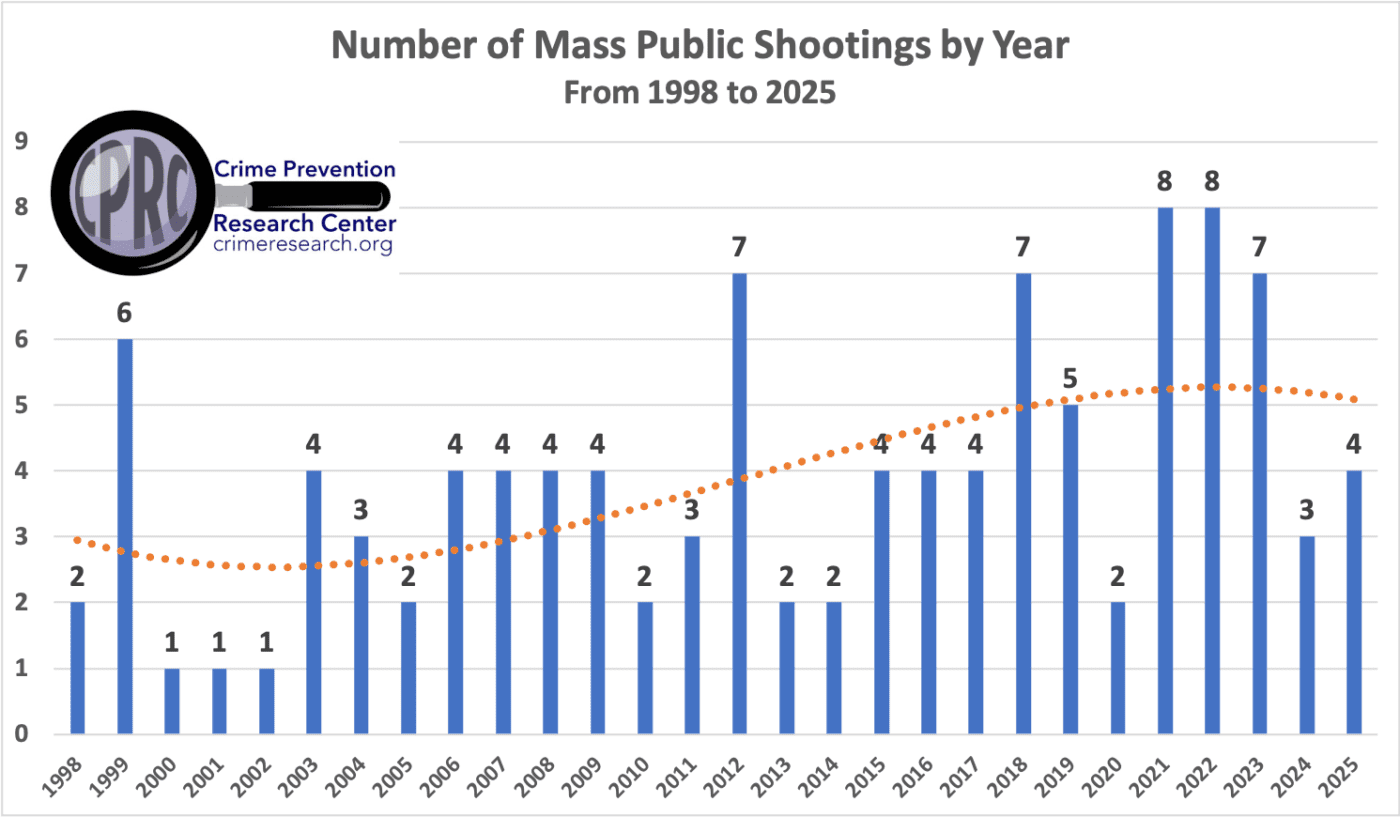
Since 1998, there have been between one and eight of these mass public shootings a year, with the two years when there were eight of them occurring during the Biden administration. During Trump’s first administration, there was an average of 4.5 attacks per year, compared with 6.5 during the Biden administration. Under Trump’s second term, there have been four shootings so far in 2025.
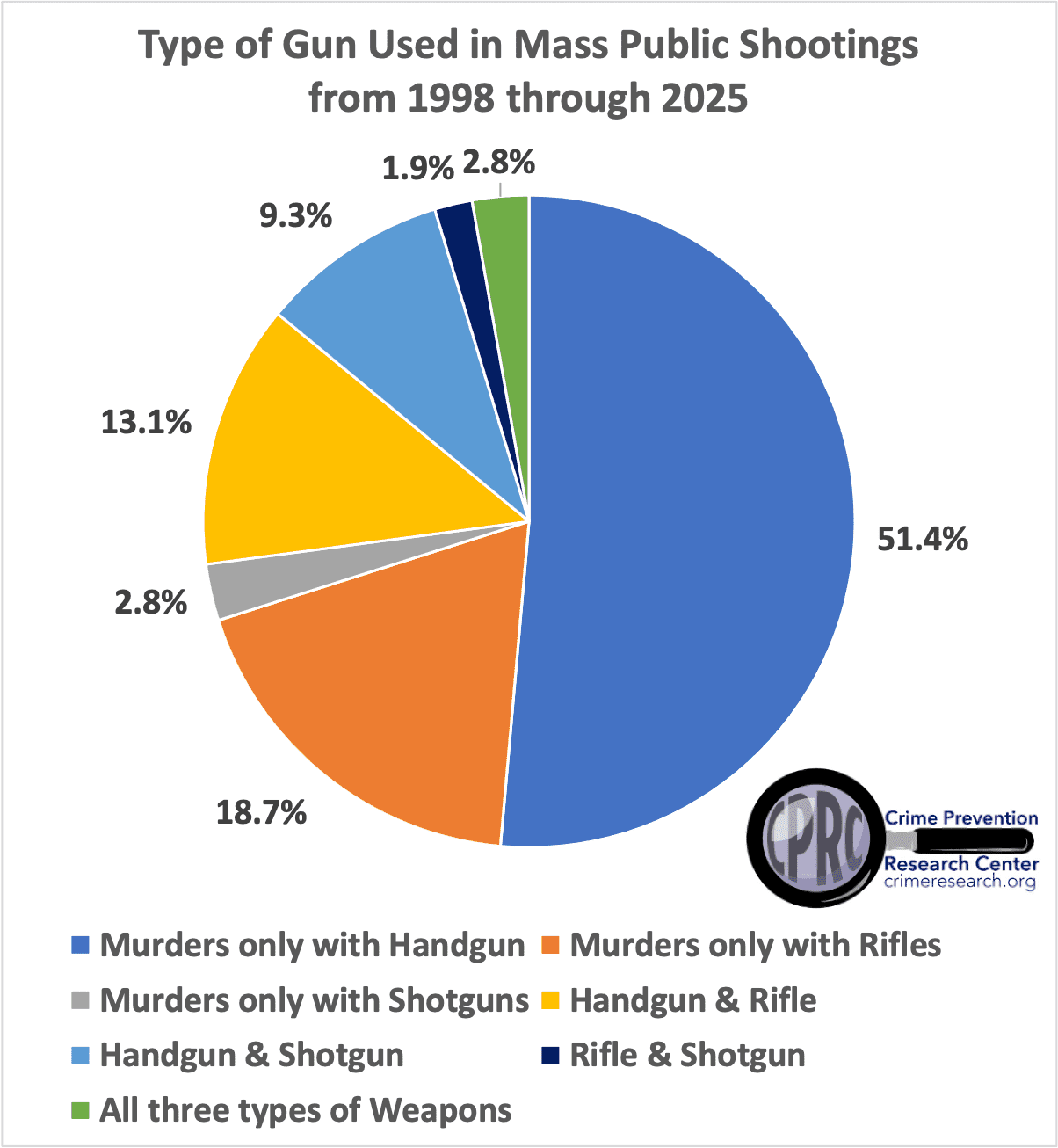
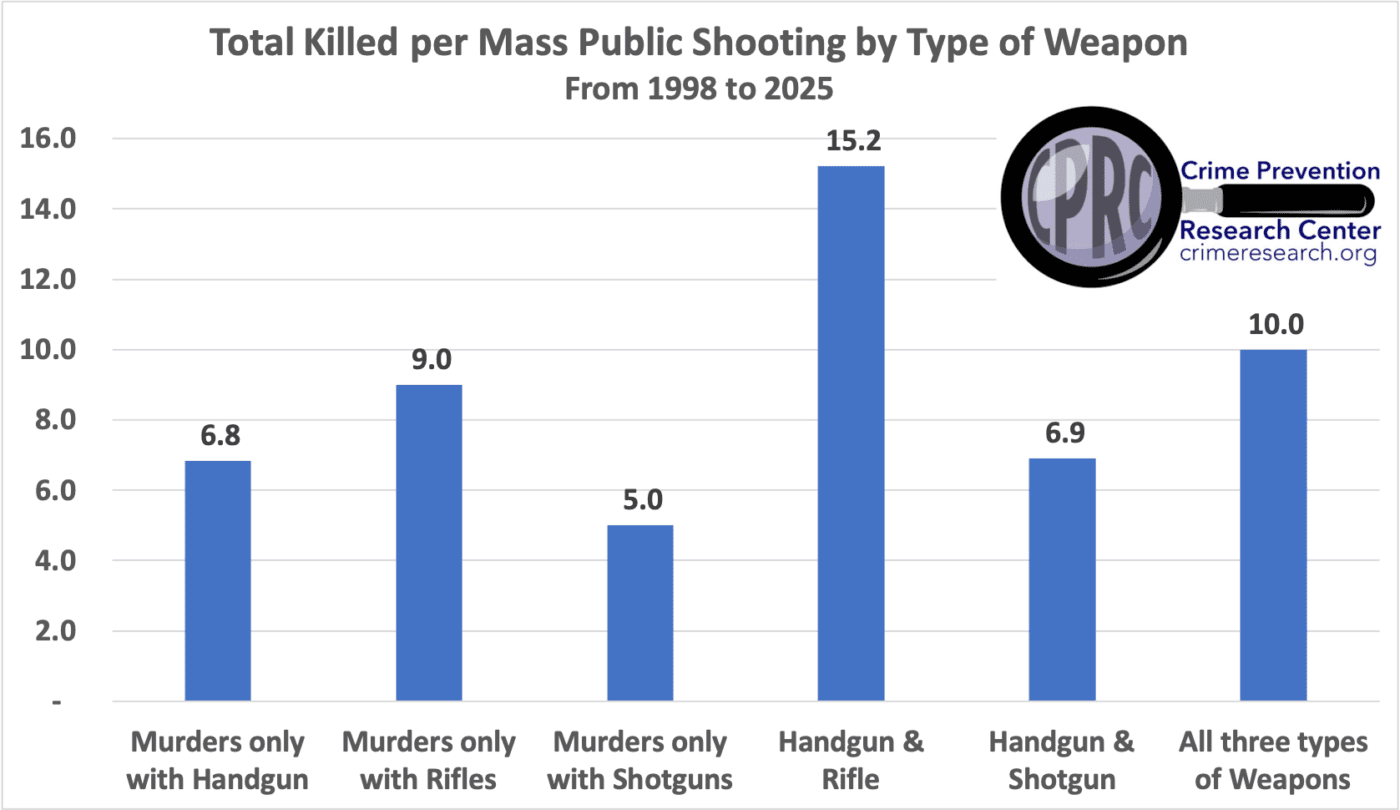
From 1998 through 2025, 51.4% of attacks used solely handguns, and 18.7% used only rifles of any type—36.4% of attacks used solely rifles or rifles in conjunction with another type of gun. Given the debate over pistol-stabilizing braces, the Excel file we provide lists the guns used in each attack, and two of the attacks used AR-15-type handguns with a pistol-stabilizing brace. (Here is our research on the rate at which any type of rifle is used in murders.) In discussing Klarevas’ research, we have also previously examined the rate at which assault weapons have been used over time before, during, and after the federal assault weapons ban (the Excel file with the data is available here).
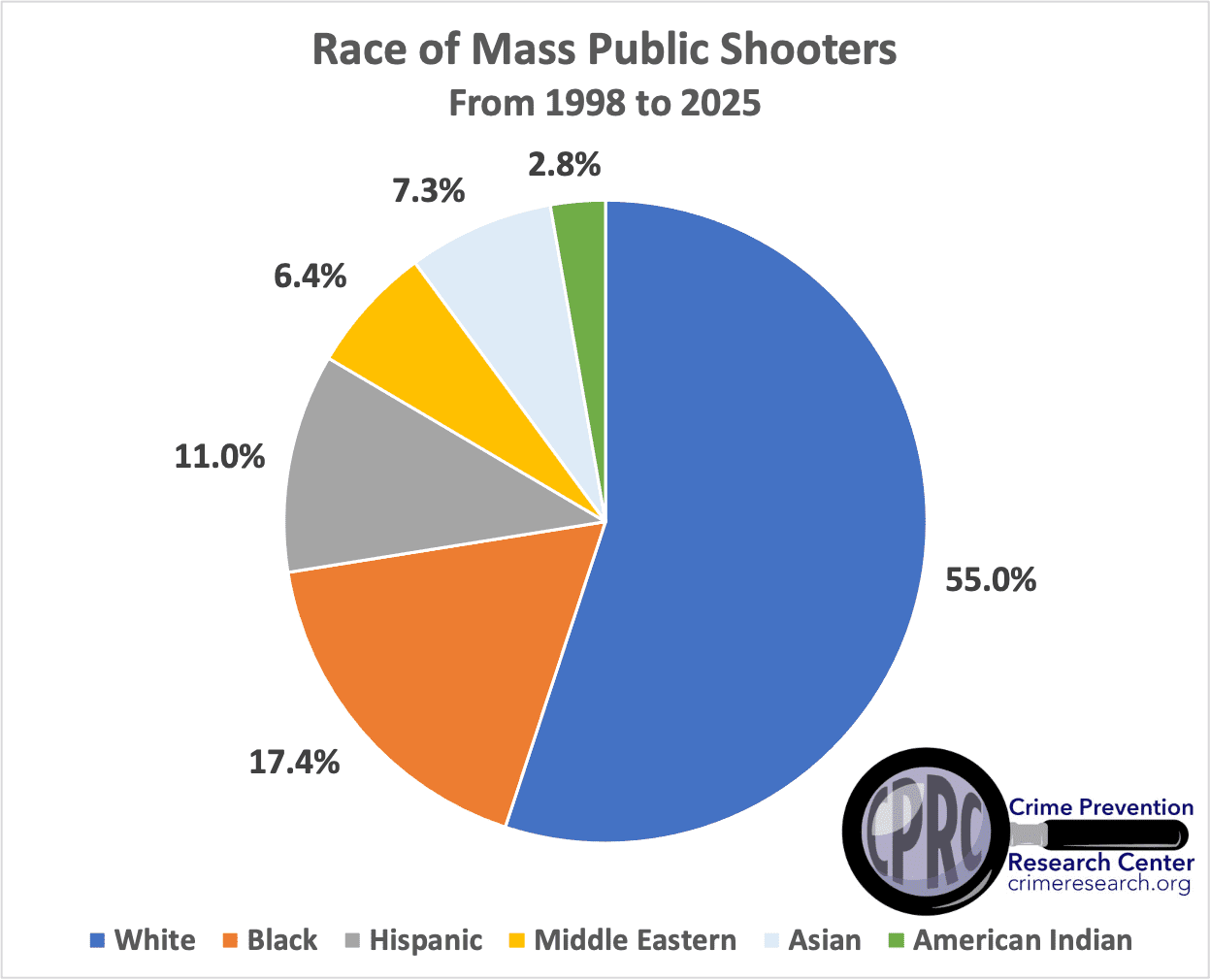
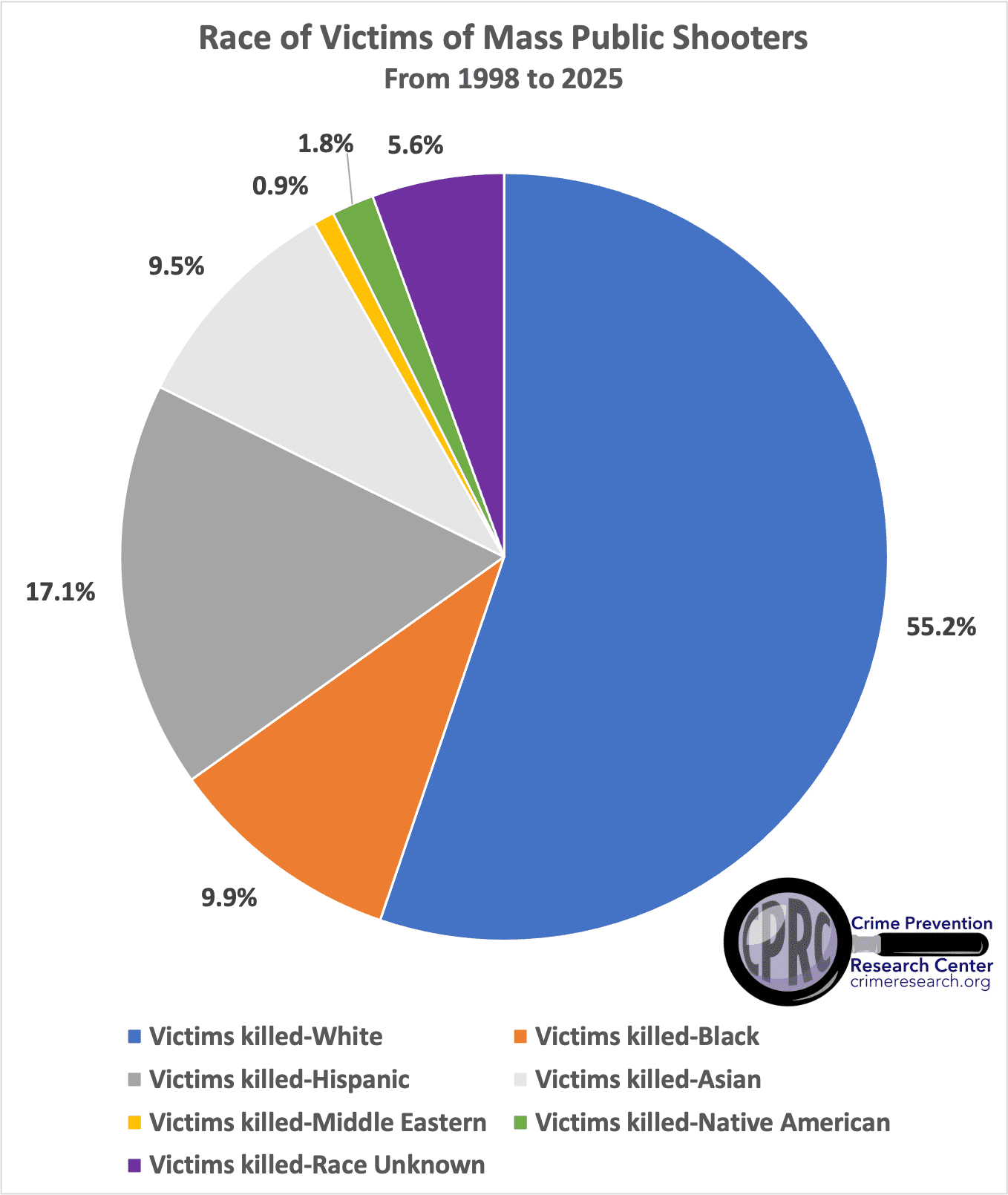
57.5% of the US population was non-Hispanic white in 2025, with 1.06% being Middle Eastern and North African (MENA), so about 56.4% are non-Middle Eastern whites. With 55.0% of the murderers and victims being non-Middle Eastern whites, whites are slightly below their share of those involved in these attacks.
With all the discussions about the racial motives of shooters, blacks are underrepresented as a share of the victims. Blacks comprise 17.4% of the murderers but only 9.9% of the victims. That 9.9% is less than their 13.7% of the general population.
Hispanics are underrepresented as a share of mass murderers. 11.0% of these mass murderers are Hispanic compared to Hispanics, making up 20.0% of the general population. But their 17.1% share of the victims is close to Hispanics’ share of the general population.
Compared to Middle Easterners at 1.06% of the general population, they are overrepresented as a share of mass murderers (6.4%) and slightly underrepresented in terms of victims (0.9%).
Asians make up 6.7% of the population, but they are overrepresented in both mass murderers (7.3%) and even more overrepresented as victims (9.5%). Interestingly, 50.6% of the Asians murdered in these attacks were murdered by other Asians.
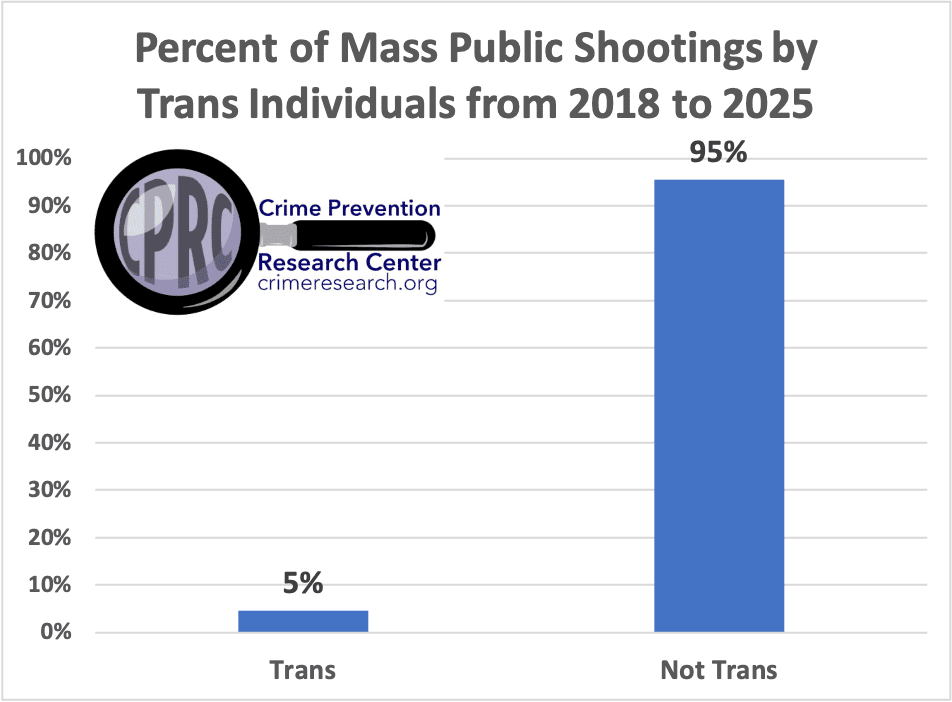
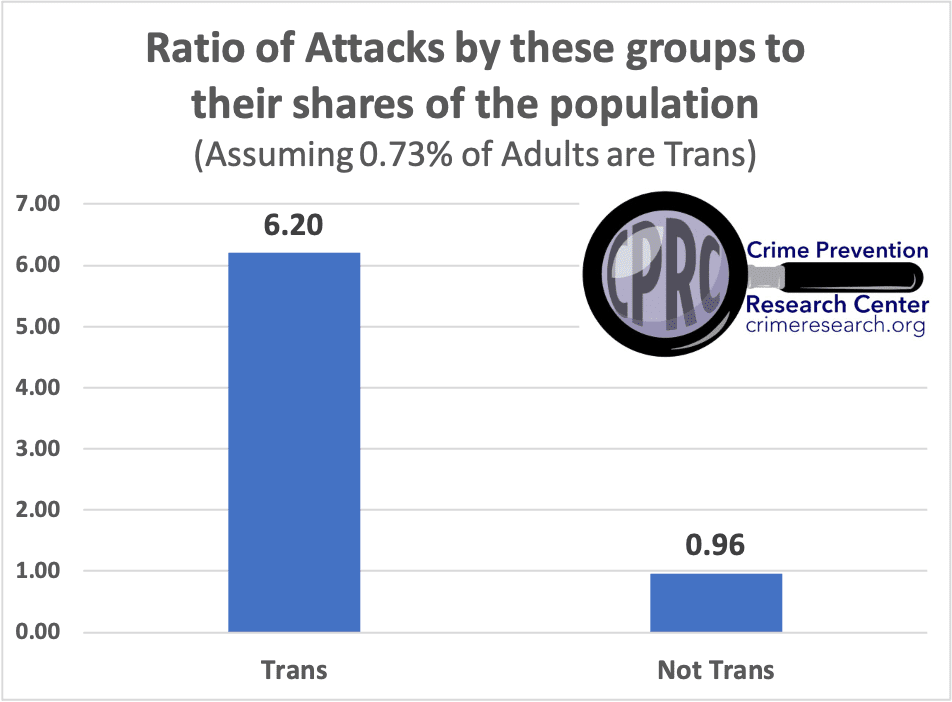
Trans individuals are well over-represented in terms of attacks. There are three estimates of the percentage of adults who are trans (CDC’s Behavior Risk Factor Surveillance System (BRFSS) and Youth Risk Behavior Survey (YRBS) finds 0.5% between 2017 to 2020, Gallup shows 0.7% in 2021, and the Census puts it at 1% in 2023). These numbers are clearly increasing over time, so an average for 2018 to 2023 years would probably overestimate the rate, but the average is 0.73%. Trans share of mass public shootings over the 2018 to 2025 period is 6.2 times their share of the population. The Nashville Catholic School shooter in 2023 and the Club Q murderer who identified as nonbinary and used the pronouns they and them in 2022 were transgender individuals.
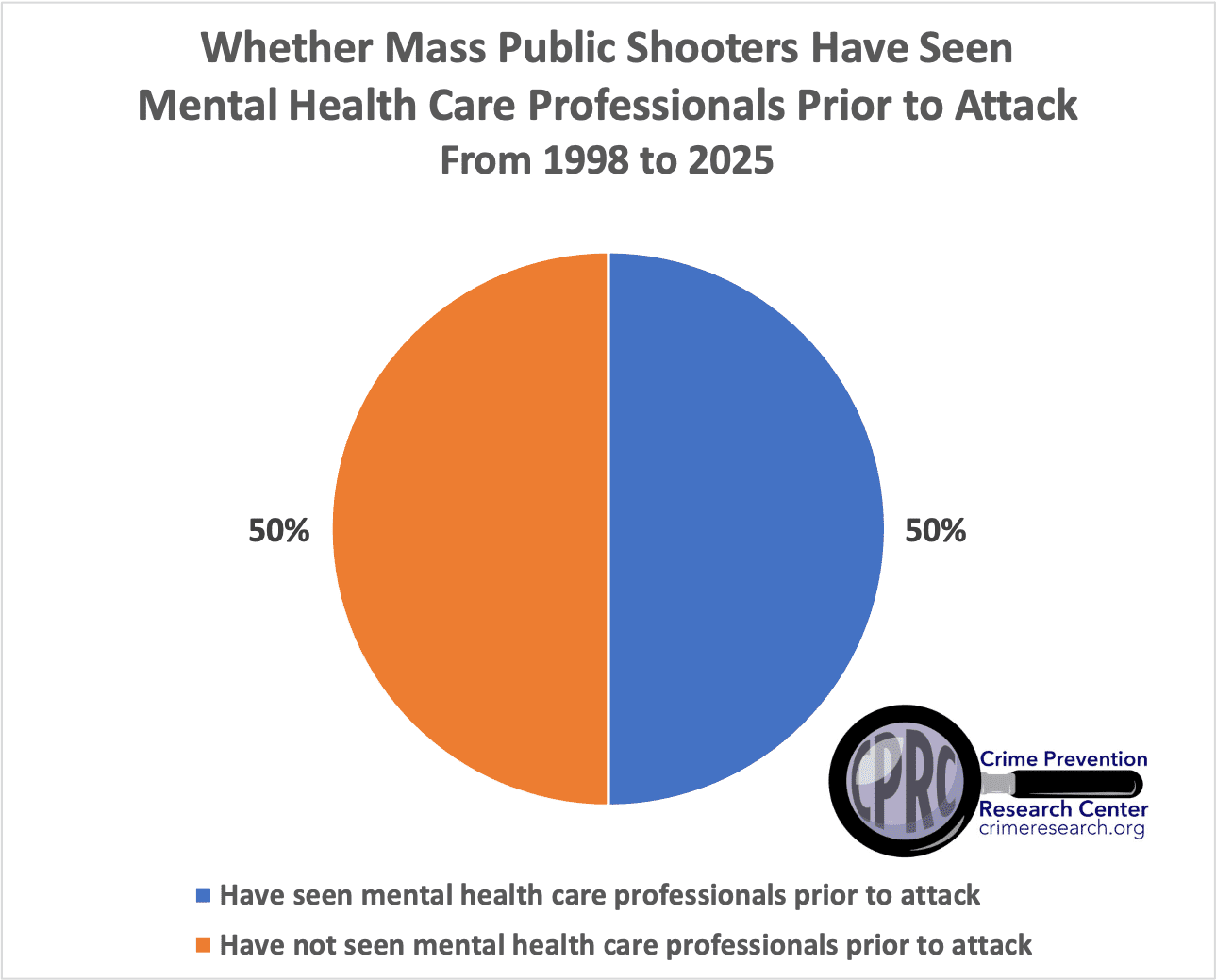
Over the period from 1998 to 2025, 50% of mass murderers have seen mental health care professionals before their attacks.
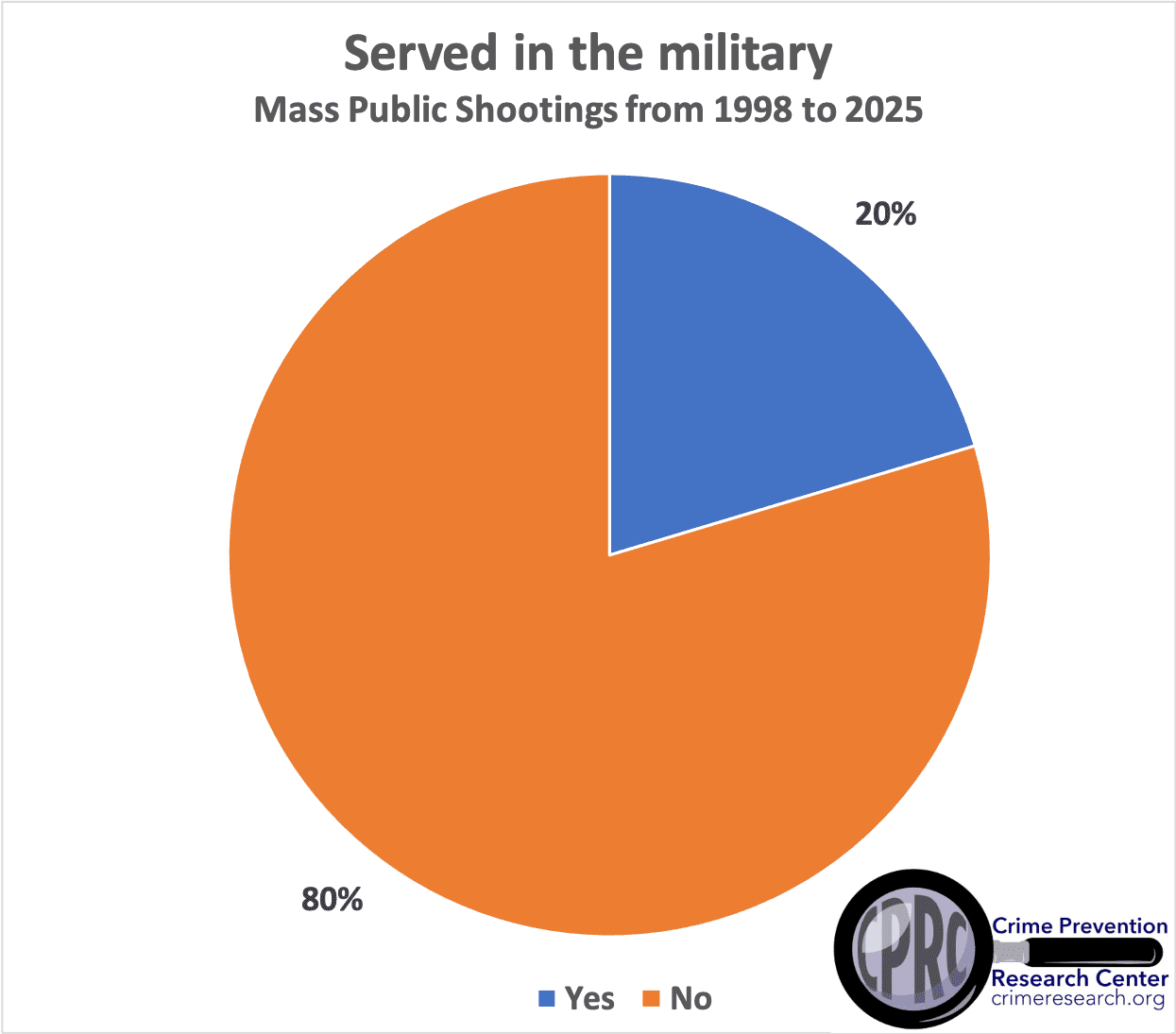
In 2023, about 6.1% of the US were veterans, but almost 20% of mass public shooters over the 1998 through 2025 period were veterans.
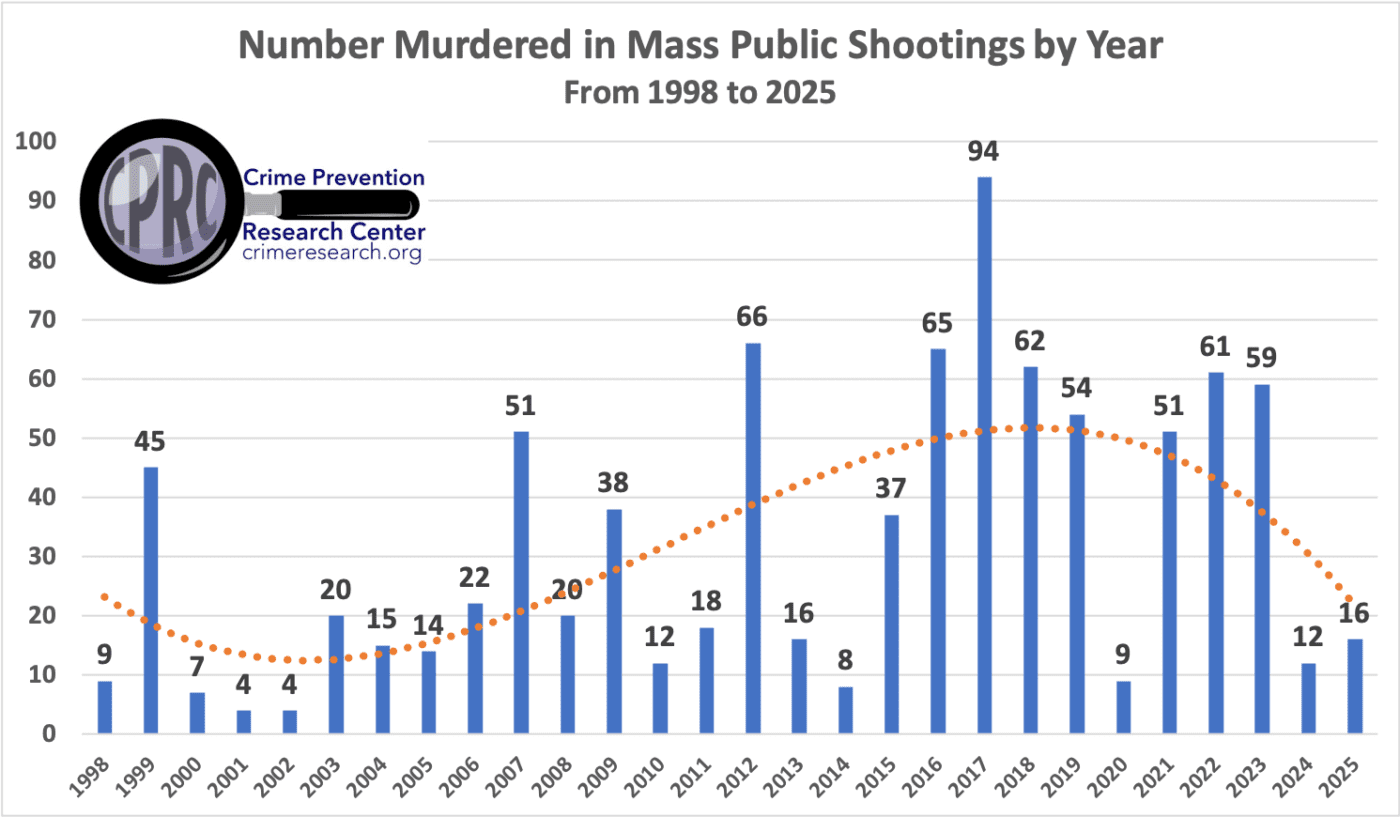
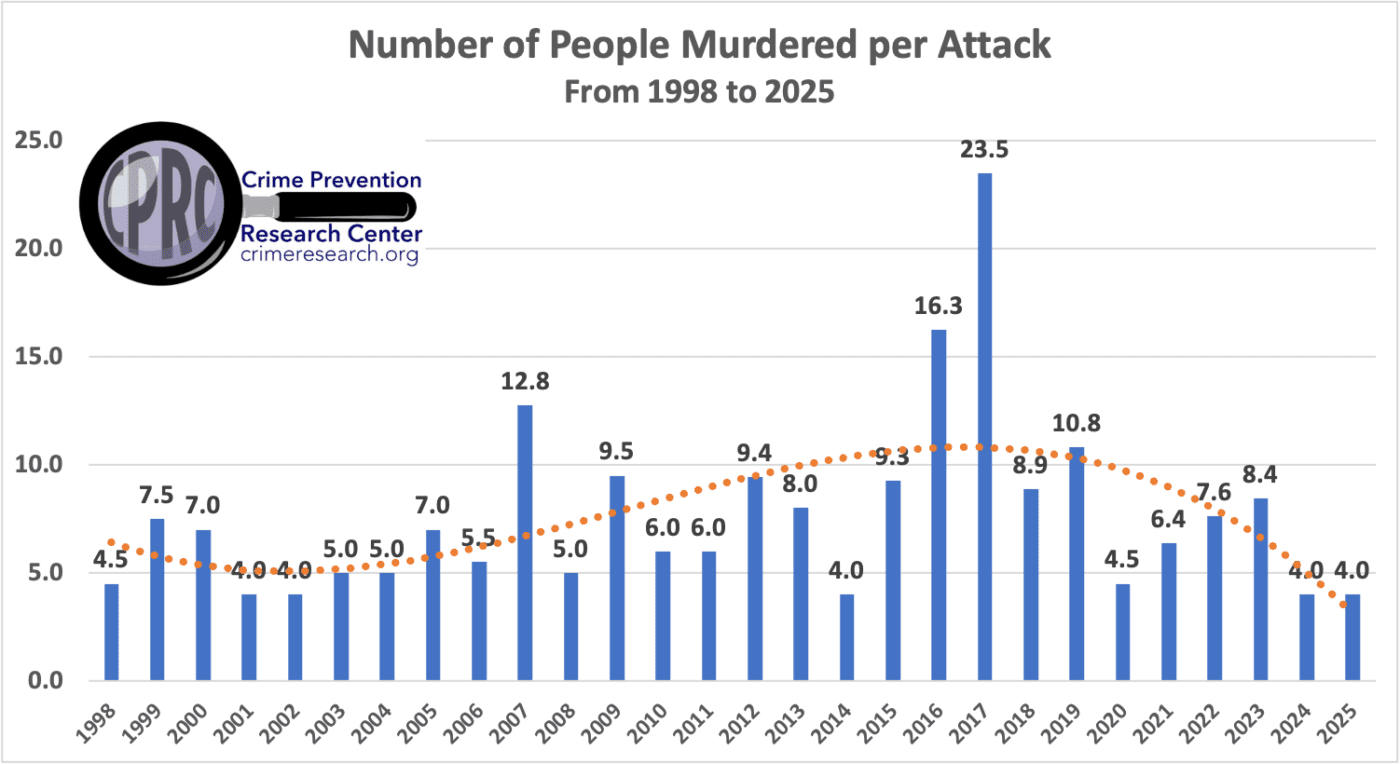
Between 1998 and 2025, the number of mass public shootings averaged 3.9 attacks, 31.8 murdered per year, and the number murdered per attack was 7.6. Although the frequency of attacks increased over much of the period, recent years show a leveling in incident counts, along with declines in both the number of people murdered and the number murdered per attack. In five-year intervals, the number of mass public shootings varied this way: 2.2 (2001-2005), 3.6 (2006-2010), 3.6 (2011-2015), 4.4 (2016-2020), and 6 (2021-2025). In five-year intervals, the number of people murdered in mass public shootings varied this way: 11.4 (2001-2005), 28.6 (2006-2010), 29 (2011-2015), 56.8 (2016-2020), and 39.8 (2021-2025).
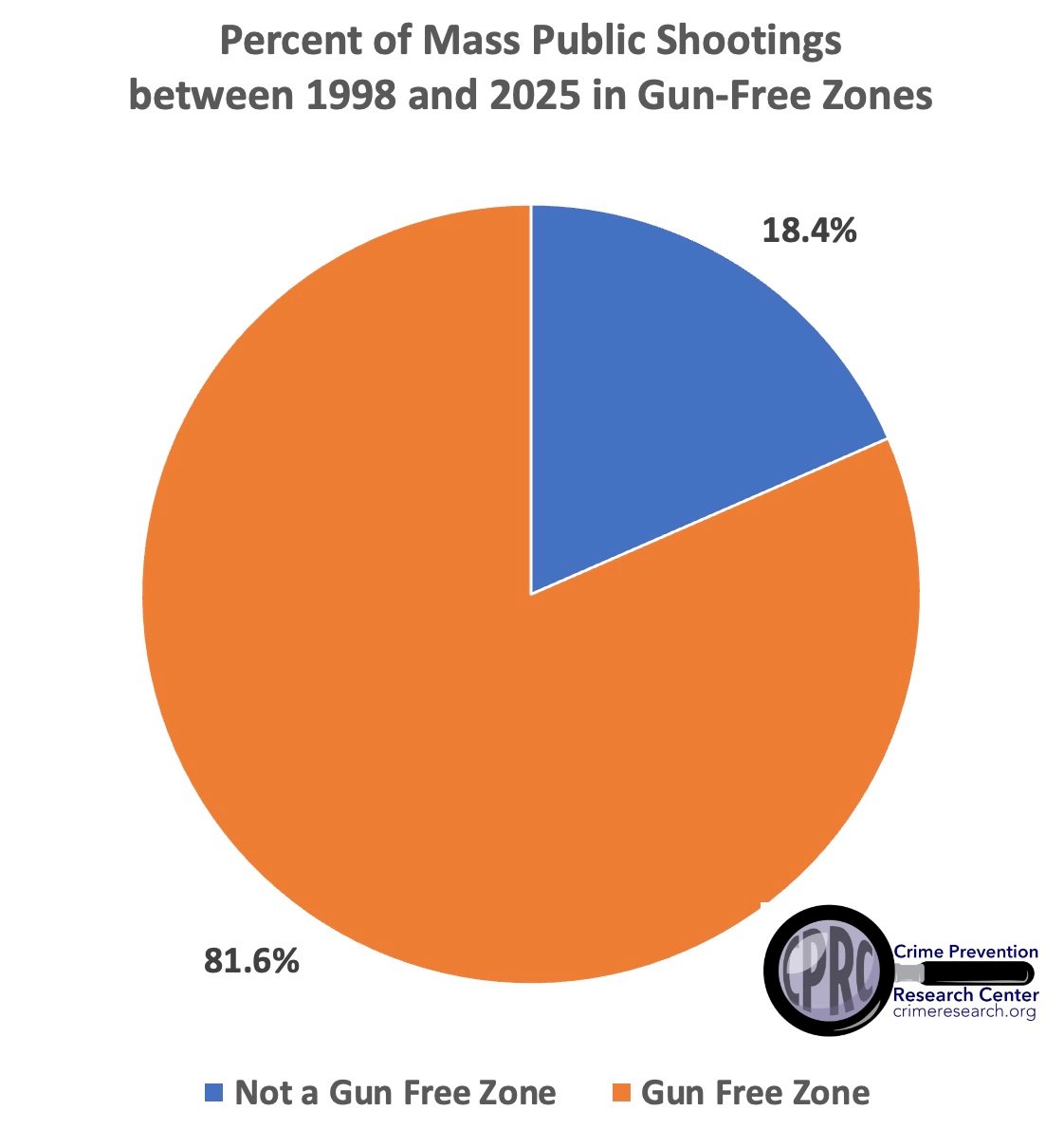
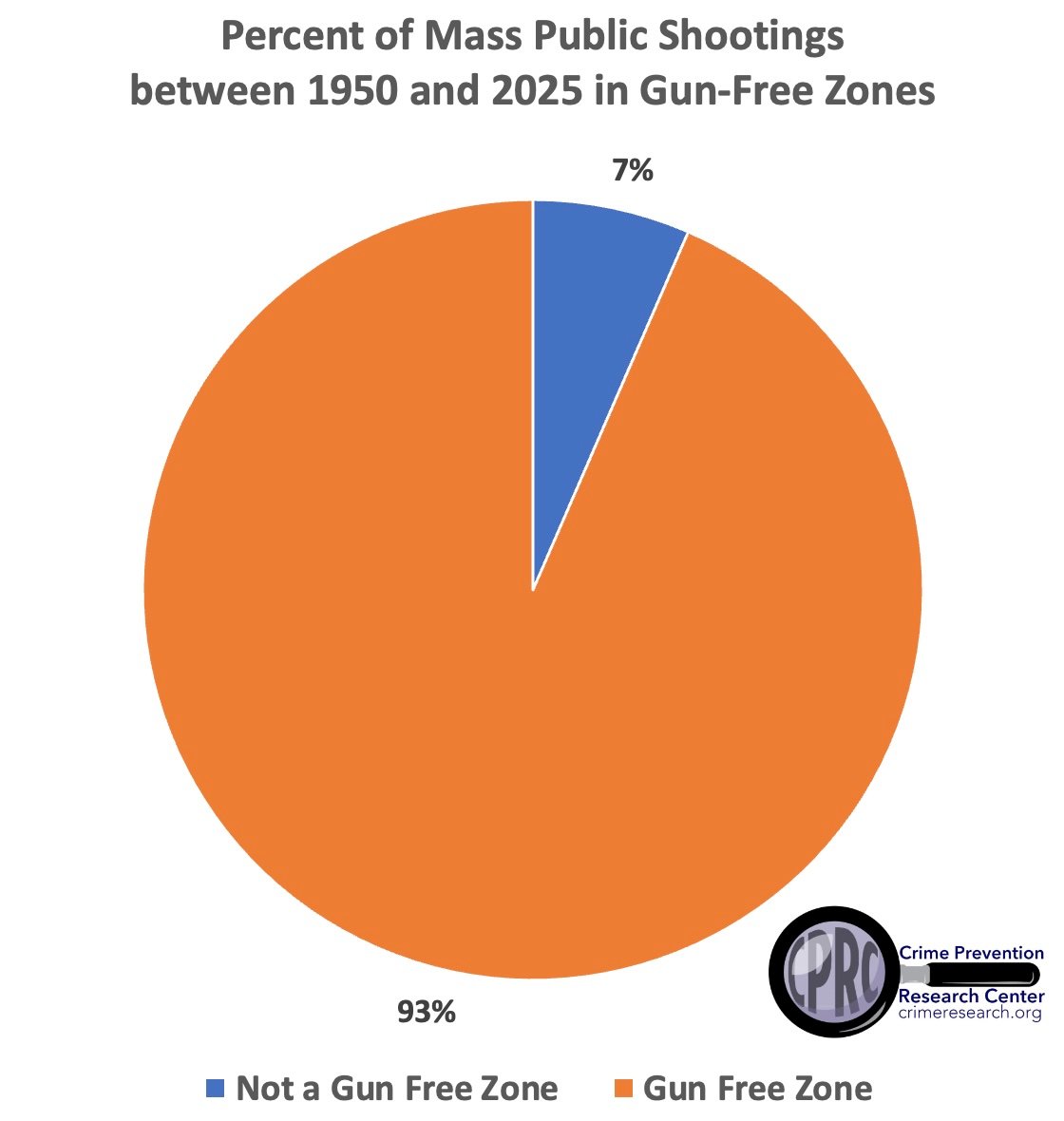
81.46 percent of the attacks since 1998. that is down slightly from the 82.8% for the 1998 to 2024 and 93% since 1950 have occurred in places where guns are banned. For those who read these murderers’ diaries or manifestos, these numbers aren’t too surprising. These mass murderers plan their attacks long in advance (at least six months). Their goal is to get media attention, and they know that the more people they kill, the more media attention they get. They know if they attack a place where people can’t defend themselves, they will be able to kill more people.
For a more complete discussion on the definition of mass public shootings and gun-free zones and data going back to 1950 see the discussion here. That shows 93% of mass public shootings occur in gun-free zones versus the 81.6% from 1998 to 2025.
There is a distinction between civilians and police being able to stop mass public shootings. Uniformed, easily identifiable individuals find themselves at a serious disadvantage in an attack.
“A deputy in uniform has a difficult job in stopping these attacks,” noted Sheriff Kurt Hoffman in Sarasota County, Florida. “These terrorists have strategic advantages in determining the time and place of attacks. They can wait for a deputy to leave the area or pick an undefended location. Even when police or deputies are in the right place at the right time, those in uniform who can be readily identified as guards may as well be holding up neon signs saying, ‘Shoot me first.’ My deputies know that we cannot be everywhere.”
Whether one looks at the pre or post 1998 period there is a very high rate of mass public shootings occurring in gun-free zones.
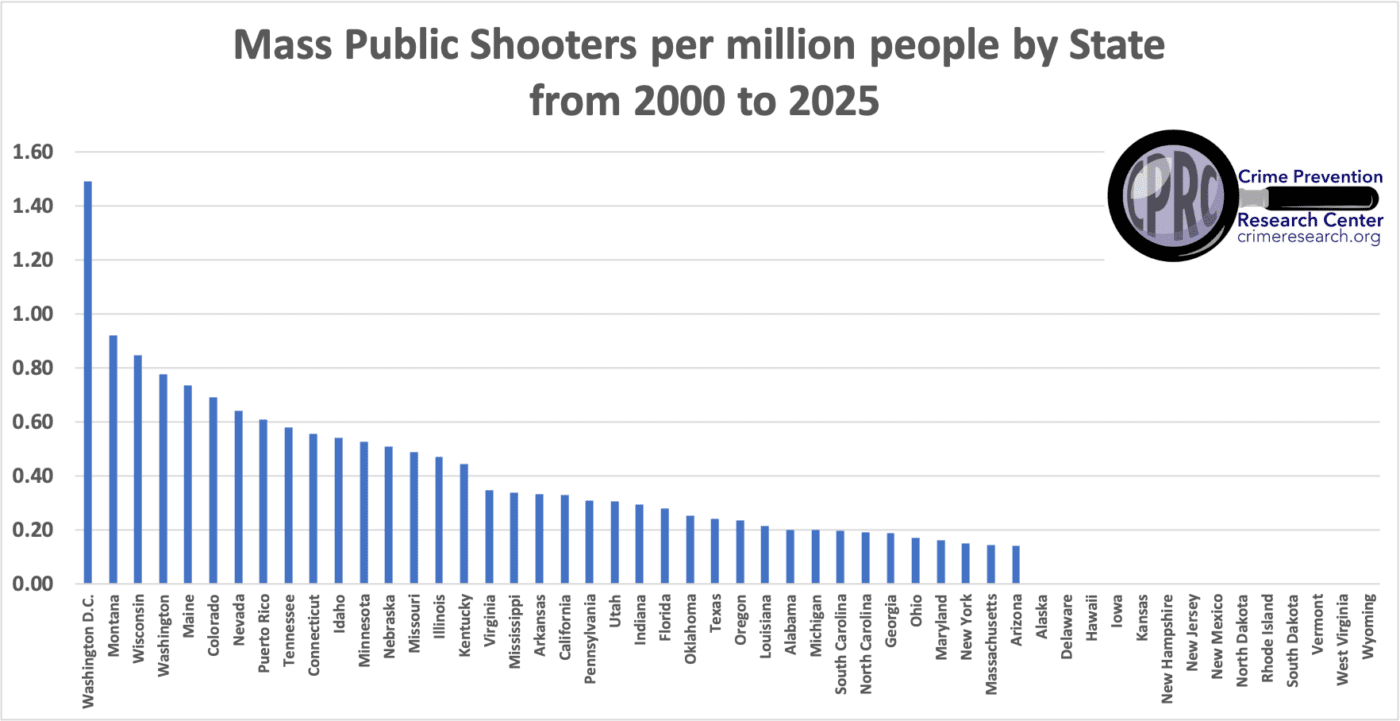
The final set of figures shows how California’s per capita rate of Mass Public Shootings is higher than the rate for the rest of the country. Since 2000, California’s rate has been 0.33 per million, and for the rest of the US, it has been 0.31. Since 2010, California’s rate is 0.28 per million and 0.22 for the rest of the US. Since 2020, it has been 0.13 for California and 0.10 for the rest of the US.
We will also note that there are only two of the mass public shootings that used suppressors: the Virginia Beach attack in 2019 and the Milwaukee attack in 2020. The average number of casualties from mass public shootings with suppressors is actually lower than the average without (11 versus 19), though the average number of people murdered is nearly identical (8.5 versus 8.3). There were 106 cases without a suppressor, compared to two with them. But in the two cases where suppressors were used, two guns were used in both cases and only one of the guns used a suppressor.
Mass Public shooters with documented schizophrenia diagnosis.
Michael McDermott, Dec 26, 2000 – Wakefield, MA (Edgewater Technology) — diagnosed paranoid schizophrenia.
Nathan Gale, Dec 8, 2004 – Columbus, OH (Alrosa Villa nightclub): — mother reported the Marines had diagnosed him with paranoid schizophrenia (family statement reported by AP/CBS). This case might be excluded as the diagnose was reported only by family rather than in court/medical records.
Eduardo Sencion, Sep 6, 2011 – Carson City, NV (IHOP): — diagnosed paranoid schizophrenia
Jared Loughner, Jan 8, 2011 – Tucson, AZ (Safeway) — diagnosed schizophrenia (per prosecutors/court proceedings).
One L. Goh, Apr 2, 2012 – Oakland, CA (Oikos University) — diagnosed paranoid schizophrenia; found incompetent and committed to Napa State Hospital, later tried/convicted
Esteban Santiago, Jan 6, 2017 – Fort Lauderdale, FL (Airport) — diagnosed schizophrenia in federal case filings/hearings.
Travis Reinking, Apr 22, 2018 – Nashville, TN (Waffle House) — schizophrenia; case paused for treatment; defense and court records referenced diagnosis
Ahmad Al Aliwi Alissa (Boulder, CO — March 22, 2021)
Other information
Nashville Covenant School Shooting Report
Excel File with Data
Screenshot



Observation: 30+% of the population is color blind or deficient, meaning 30+% of readers cannot correctly read your graphs! Try instead using these symbols: +, -,#,~,^,∆,=, etc. so all can enjoy your accurate information. Just saying. Thanks and keep up the good work.
I really appreciate your work, Dr Lott.
Thank you very much, Michael.
How do we get these facts into main stream media and into the voting public’s mindset?
I truly enjoy your writing and fact finding.
Thank you for the work,
We try to write op-ed pieces and do media. Eventually we will raise enough money to hire a full time PR person.