
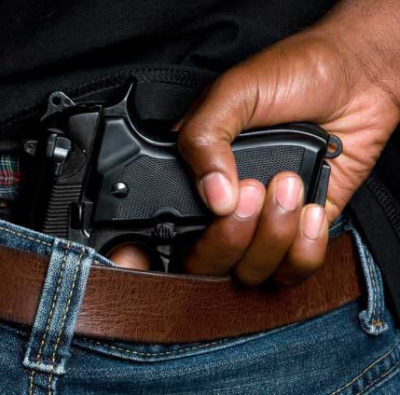
An attacker at Old Dominion University in Norfolk, Virginia killed one ROTC cadet and critically injured another before another cadet stabbed him to death in the classroom where the ROTC course was being held. Just hours later, a man drove a truck through the front doors of a synagogue in Michigan, but on-site security shot and killed him before he could attack anyone inside.
Police in uniform face an extremely difficult job in stopping attacks. If an attacker sees an officer in uniform, the attacker can either wait for the officer to leave before he attacks or to move onto another target. Both make it less likely that an officer will be there to stop the attack. If the attacker does the attack with the officer there, the person he shoots first will be the one person who he knows might be able to stop him — the police officer.
Our latest research shows that civilians with permits reduce the number of victims killed, the number wounded, and the total number of casualties more than responding police officers do. They also stop the attacks more frequently and face a lower risk of being killed or injured than police. We also provide evidence that these numbers significantly underestimate the advantages of civilians over officers in stopping these attacks. We find that officers who intervened during the attacks were more likely to be killed or injured than those who apprehended the attackers later. We explore the implications of two possible identification problems. There is some evidence that Constitutional Carry laws reduce deaths and injuries from active shooting attacks.




0 Comments