
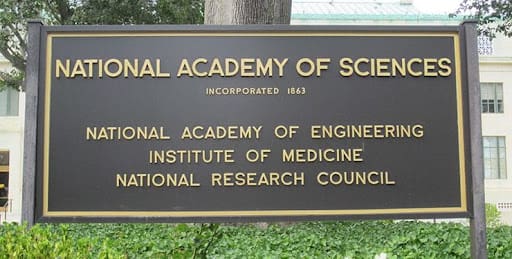
We have noticed that the National Research Council reports virtually always call for more research to be done on the topics they have been asked to examine. There are a couple reasons for this. Being on a NRC project is a very cushy opportunity that pays well and doesn’t require much work, but if someone is unwilling to sign the final report, they won’t get invited back again in the future. That forces members to agree on the final product and that often means they tend to leave things vague. On top of that, all the researchers on the panels want to get more government funding for their research, so the one thing that they agree on is to call for more research and more funding for that research.
We asked Grok DeepSearch the following questions: “How often do National Research Council reports come to a definitive conclusion and say that a particular result has been proved? What percent of their reports from 2020 to 2025 conclude that more research is needed?”
The answer we got back wasn’t definitive, but estimated: “a search revealed NRC reports highlight uncertainties, not definitive claims. Another search didn’t yield specificdata, but reinforced this trend. . . . their role in policy means nuanced language, not absolutes. I’d estimate fewer than 5-10% use “proved,” aligningwith scientific caution. . . . Scientific reports often note gaps, so I’m guessing 70-90% of NRC reports from 2020-2025 suggest more research.”



0 Comments